
In the rapidly evolving landscape of global tourism, a significant demographic shift is underway. Malaysia is on track to become an “aged nation” by 2040, with the Department of Statistics projecting that 14.5% of our population will be aged 65 and above. For the hospitality industry, this isn’t just a demographic statistic—it is the birth of the Silver Economy, a multi-billion ringgit opportunity that is currently being underserved.
The Rise of the “Seasoned Explorer”
The modern senior is no longer content with staying home. As highlighted in recent travel trends, we are seeing the rise of the “Seasoned Explorer.” These are high-net-worth individuals with the time and financial freedom to travel extensively. However, their requirements differ significantly from the younger “backpacker” or “business traveler” segments.
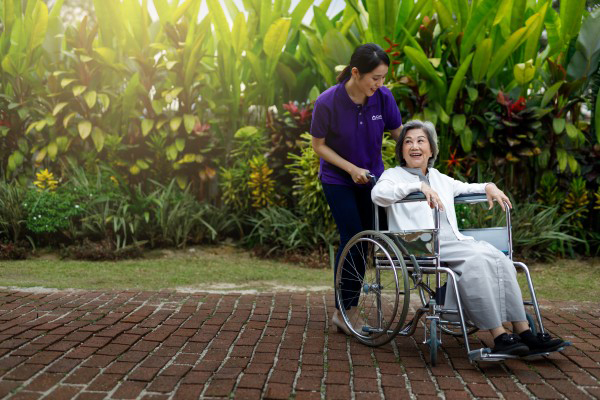
Senior travelers prioritize safety, accessibility, and professional service. They seek “Active Aging” experiences where they can enjoy luxury and culture without the fear of medical emergencies or physical barriers. Hotels that can offer a “Certified Care” environment will become the first choice for this lucrative market.
From “Aged Society” to “Care Integration”
According to data from the UNDP, the future of elderly support in Malaysia will rely on a hybrid model that blends community support with technological integration. As our nation navigates this transition, there is a growing gap in the market for professionalized care environments.
This presents a unique “Pivot Point” for hotel owners. With the right training, a traditional hotel can easily expand its service offerings to include:
-
Convalescence & Recovery Stays: Short-term luxury stays for seniors recovering from surgery.
-
Assisted Living Suites: Long-term premium housing for mobile seniors who want hotel amenities.
-
Multi-Generational Travel Hubs: Specialized services that allow families to vacation together while knowing their elderly parents are in professional hands.
The Economic Urgency: Tapping into the Silver Market
The “Silver Economy” is not a future concept; it is happening now. As BAC Education notes, businesses that adapt early to meet the demands of an aging population will secure a significant competitive advantage. For a hotel, this adaptation starts with the workforce.
A hotel’s greatest asset is its people. However, traditional hospitality training does not cover geriatric nutrition, fall prevention, or the psychology of elderly care. This is where the gap lies. Without specialized training, a hotel is just a building; with Elderly Care Management (ECM) certification, a hotel becomes a trusted sanctuary.
Conclusion: Future-Proofing Your Assets
The investment in Elderly Care Management is, at its core, an investment in recession-proofing your hotel. While traditional tourism markets fluctuate with the economy, the demand for health-integrated hospitality and senior-friendly services is on a permanent upward trajectory.
By upskilling your team today, you aren’t just improving service—you are positioning your brand at the forefront of the most significant economic shift of our century. The question for hotel managers is no longer if they should cater to the silver market, but how fast they can prepare their teams to lead it.
